- Sep 23, 2024
Mastering Intentional Parenting: Balancing Family Time, Personal Growth, and Work-Life Harmony
- Kosta
- 0 comments
In today’s fast-paced world, balancing a successful career, fulfilling family life, and personal growth can feel overwhelming. However, by adopting intentional parenting strategies and aligning your values with your goals, you can create a harmonious environment that fosters growth in all areas of life. This article explores practical frameworks and tools to help you master intentional parenting while balancing work and personal development.
Understanding Intentional Parenting
Intentional parenting is about making mindful, purposeful choices in how you raise your children, based on long-term family values and goals. This approach fosters a nurturing environment where children feel supported, and parents feel confident in their decisions.
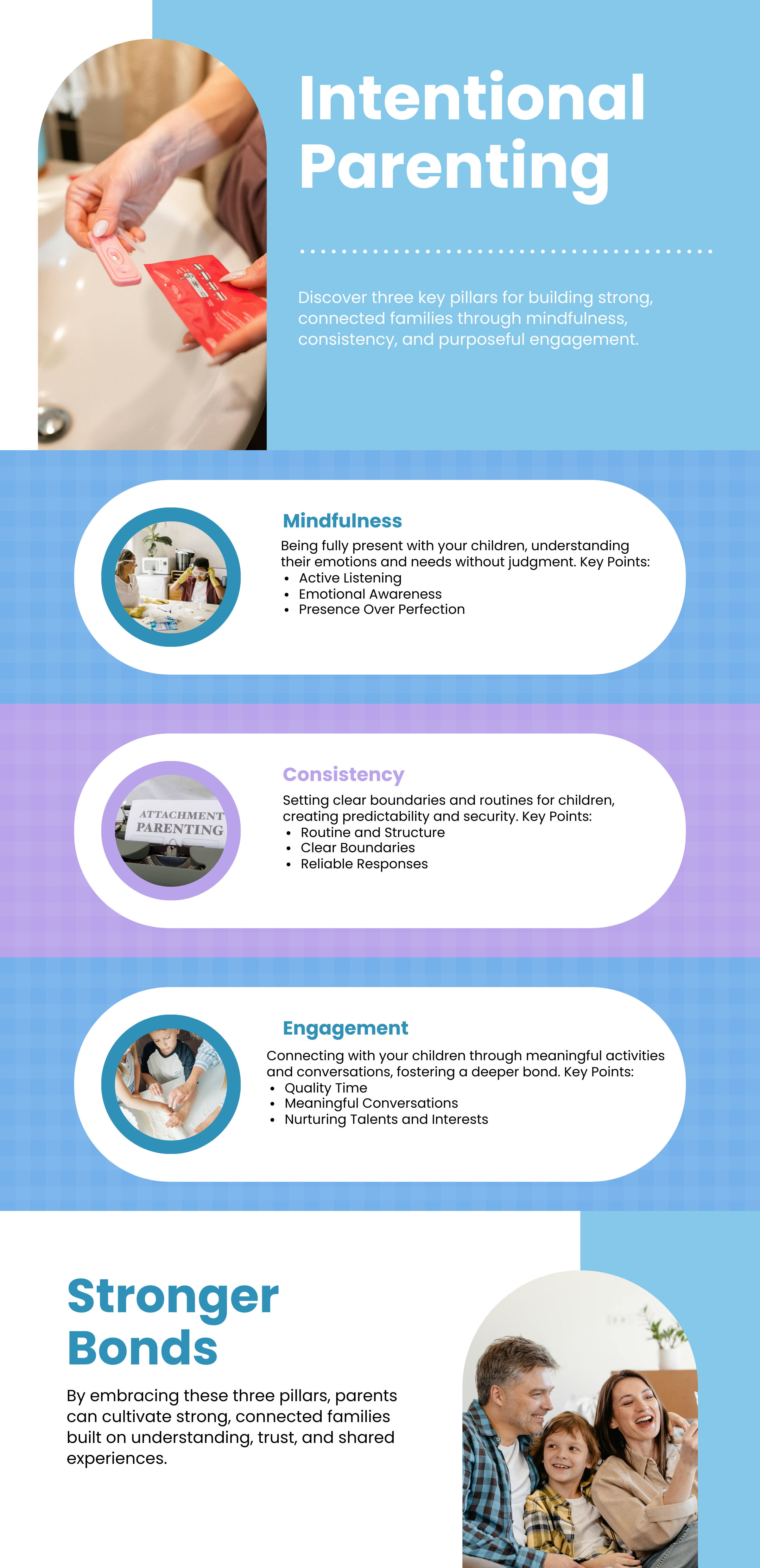
The Three Pillars of Intentional Parenting:
Mindfulness: Staying fully present with your children, engaging thoughtfully in interactions. By practicing mindfulness, parents can respond instead of react, ensuring that their interactions with their children are more meaningful and constructive.
Consistency: Establishing routines, rules, and expectations that provide children with a sense of stability. Children thrive on predictability, and consistent actions from parents help build trust and security.
Purposeful Engagement: Making deliberate efforts to engage with your children in ways that align with your family’s values. This can include regular family activities that promote learning and creativity, such as shared reading, cooking, or even outdoor exploration.
Practical Application: Family Values and Consistency
For example, if your family values education and creativity, you could establish routines like evening reading sessions, weekend arts and crafts, or creative storytelling. These activities reinforce core values and foster a deeper family connection.
Tips for Implementing Intentional Parenting:
Define Your Family Values: Discuss and agree on the key values that are important to your family, such as honesty, kindness, and resilience.
Model Desired Behaviors: Demonstrate the behaviors you want to instill in your children. Children learn by watching their parents, so embody the traits you wish to see.
Use Consistency as a Foundation: Set routines that reflect these values, such as regular family dinners or shared time for creativity, to promote a sense of stability.
CTA: Start your journey toward intentional parenting with our Intentional Parenting and Family Vision Workbook, featuring the "Intergenerational Values Mapping" tool to align family values and create a shared vision for growth.
Achieving Work-Life Balance as a Parent
Balancing work, family, and personal time is a common challenge. However, achieving this balance is not about strict separation; it’s about integrating your professional and personal life in a way that reinforces your core values.
Work-Life Integration vs. Balance
Work-life balance refers to creating boundaries between work and personal time, while work-life integration allows for more fluid interaction between the two. This approach can be particularly helpful for parents working from home, as it encourages involvement in family life without compromising professional responsibilities.
Example: Parents might allow their children to join them in their workspace for short periods or share insights about their workday, fostering curiosity and understanding in their children.
Stress Management and Resilience
One key challenge in balancing work and family is managing stress. Techniques like Mindfulness-Based Stress Reduction (MBSR) help parents stay calm and focused, reducing stress's impact on both work and home life. By practicing mindfulness, you can maintain composure during hectic moments and manage stress effectively.
Tips for Managing Work-Life Balance:
Set Boundaries: Clearly define your work hours and communicate them to both your employer and your family.
Prioritize Downtime: Schedule time for self-care, such as reading or a quiet walk. Personal care is essential for maintaining energy and mental clarity.
Delegate: Share household duties with your spouse and children. Delegation teaches responsibility and frees up time for other activities.
Downloadable Resource: To better manage your time and energy, download the Ultimate Family Balance and Time Mastery Planner, which includes the "Family Resilience Framework" to build emotional support into your daily routine.
Integrating Personal Growth with Family Life
Your personal development directly impacts your family life. When you pursue personal growth, you set an example for your children, showing them the importance of lifelong learning and resilience.
The Role of Personal Growth in Parenting
Parents who engage in personal growth are better equipped to navigate the complexities of family life. By setting and achieving personal goals, you model perseverance, self-improvement, and adaptability for your children.
Adopting a Growth Mindset: A growth mindset—the belief that abilities can be developed through dedication—encourages resilience and persistence. Demonstrating a growth mindset to your children teaches them to embrace challenges and learn from setbacks.
Example: Parents can involve children in personal growth activities, such as participating in a family book club, doing science experiments together, or setting shared fitness goals.
Creating a Growth-Oriented Environment
Families that prioritize growth create opportunities for learning and development. These activities can range from shared educational outings to discussions about personal and family achievements.
Framework: Intergenerational Values Mapping A tool like the Intergenerational Values Mapping exercise, found in the downloadable Intentional Parenting and Family Vision Workbook, helps families identify and align their values across generations. By engaging in this reflective process, parents and children can explore which values have shaped their family and which they want to pass on.
Tips for Integrating Personal Growth:
Set Personal Growth Goals: Identify goals that align with your interests. For example, set a fitness goal and involve your family in your journey.
Leverage Family Activities: Choose activities that encourage learning and growth for the whole family, such as exploring museums or nature reserves together.
Implementing Personal Growth and Parenting Strategies Together
To effectively integrate personal growth with parenting, you must adopt a mindset that values continuous improvement, both as an individual and as a family. This section dives deeper into how you can actively pursue self-development while involving your family in the journey.
Personal Development Goals in the Context of Parenting
Your personal growth goals might include enhancing your communication skills, improving emotional regulation, or even pursuing a hobby. When you align these goals with your role as a parent, you foster an environment where growth becomes a family affair.
For example, if you're focusing on emotional intelligence as part of your personal development, you can model this by showing empathy in family interactions, or teaching your children about managing emotions through open conversations. This not only helps your personal growth but also equips your children with valuable life skills.
Practical Tip: Integrate emotional intelligence exercises into your family’s routine. You can use moments of conflict or frustration as teaching opportunities, guiding your children in how to process and express emotions constructively.
Creating Growth-Oriented Family Activities
A growth-oriented family environment means engaging in activities that support learning and development for all family members. Here are a few ways to implement growth-oriented activities:
Family Book Clubs: Choose a book that aligns with your personal or family values, and hold discussions about its themes and lessons.
Creative Projects: Work on a family art project, science experiment, or even gardening. Such activities encourage teamwork, creativity, and learning.
Mindfulness Practices: Teach mindfulness techniques to your children. This could include short meditation sessions or simply being present during family meals or outings.
These practices enhance family connection while promoting personal development for each member.
Downloadable Resource: Use the Intentional Parenting and Family Vision Workbook, which includes tools like the Intergenerational Values Mapping exercise to ensure that your personal growth efforts align with family goals and values.
Leveraging Technology for Personal Growth and Family Time
Incorporating technology in both personal development and parenting can lead to more efficient use of time and resources. While technology often distracts us, it can also be used intentionally to enhance both personal and family growth.
Using Technology to Support Personal Growth
Many apps and tools are available that can assist you in tracking your progress, from fitness goals to mindfulness practices. For example, using a habit-tracking app that aligns with your personal development goals allows you to visualize your progress and stay motivated.
AI and Personal Development: Some AI-driven tools, like the Tech-Enhanced Habit Tracker, analyze your behavior patterns and provide recommendations for adjusting your habits. These tools help you make data-driven decisions about your personal growth efforts, ensuring that your habits evolve with you.
Technology and Family Engagement
Technology can also enhance family time by facilitating meaningful activities. For example, there are numerous educational apps that promote learning for both parents and children. Whether it's exploring nature together through a guided app or working through a creative project with online tutorials, technology can help make family time both engaging and educational.
Example: Set aside time for interactive learning sessions with your children using apps that promote creativity, such as a drawing or coding app. This allows you to bond with your children while also fostering a love for learning.
Tip: Use the Ultimate Family Balance and Time Mastery Planner to integrate technology into your family routines. By strategically scheduling tech-assisted family activities, you can enhance both learning and connection without sacrificing screen-free family moments.
Balancing Personal Development with Stress Management
One of the greatest challenges for parents is managing the stress that comes with balancing work, family, and personal growth. Mindful stress management techniques can significantly enhance your ability to stay composed, present, and effective in all areas of life.
Mindfulness-Based Stress Reduction (MBSR)
As mentioned earlier, Mindfulness-Based Stress Reduction (MBSR) is a technique that can help parents manage stress by focusing on the present moment. This practice allows you to pause, take a deep breath, and respond thoughtfully instead of reacting impulsively.
Application in Parenting: During stressful moments—whether it's dealing with a toddler's tantrum or navigating work deadlines—mindfulness helps you remain calm and composed. By modeling this calmness, you teach your children how to manage their own emotions and stress in healthier ways.
Self-Care and Downtime
As a parent pursuing personal growth, it’s essential to carve out time for self-care. Prioritize activities that nourish your mental and physical well-being, such as regular exercise, meditation, or simply spending time in nature.
Example: Schedule time for a short walk or quiet reading each day to reset and recharge. Even small, consistent self-care activities can reduce stress and improve your overall effectiveness as a parent.
Tip: Incorporate stress management techniques into your daily routine using the Family Resilience Framework found in the Ultimate Family Balance and Time Mastery Planner. This tool ensures that both you and your family are equipped to handle stressful situations with calm and resilience.
Creating a Family Vision for Growth and Harmony
A critical part of intentional parenting and personal development is setting a vision for your family’s future. This vision should align with your values and personal goals, ensuring that everyone in the family is working toward a shared sense of purpose and harmony.
Crafting a Family Vision Statement
A family vision statement outlines the collective goals, values, and aspirations of your family. By crafting this vision together, you create a sense of unity and shared direction that helps guide decisions and actions.
Steps to Create a Family Vision:
Discuss Core Values: Identify the values that matter most to your family, such as kindness, honesty, or learning.
Set Long-Term Goals: Consider where you want your family to be in five or ten years. These goals could include both tangible achievements and intangible qualities, like fostering resilience or maintaining close relationships.
Create a Statement: Craft a concise family vision statement that reflects your shared values and goals. For example, "As a family, we value kindness, learning, and adventure. We are committed to supporting each other’s growth, embracing challenges, and creating meaningful memories together."
Tool: Use the Vision-Mission Synergy Planner to ensure that your family vision aligns with your personal development goals, creating a cohesive plan for the future.
Conclusion: Embracing Intentional Parenting and Personal Growth
Achieving harmony between work, family, and personal growth is not just possible—it’s essential for a fulfilling life. By practicing intentional parenting, setting personal development goals, and leveraging tools like mindfulness and technology, you create a balanced environment that benefits both you and your children.
Key Takeaways:
Intentional Parenting: Focus on mindfulness, consistency, and purposeful engagement in your parenting practices.
Work-Life Balance: Integrate work and family life where possible, and prioritize stress management techniques.
Personal Growth: Align your personal growth with your family’s values, and model lifelong learning for your children.
Vision and Purpose: Create a shared family vision that unites personal and family goals.
CTA: Ready to take the next step in your journey? Download the Ultimate Family Balance and Time Mastery Planner and Intentional Parenting and Family Vision Workbook to start building a harmonious life that prioritizes both family and personal growth.
This article is part of our comprehensive guide, How to Create a Personal Development Plan. If you haven't explored it yet, be sure to check it out—it’s filled with actionable insights and links to essential resources on personal growth.
Disclaimer:
The content provided on this blog is for informational purposes only. While every effort is made to ensure the information is accurate and up-to-date, it should not be considered as professional advice. Always consult with a qualified professional before making any significant decisions based on the content. The opinions expressed are those of the author and do not necessarily reflect the views of any affiliated organizations. Any reliance you place on the information provided is strictly at your own risk. The author and website are not responsible for any losses, damages, or liabilities that may result from the use of the information in this blog.