- Sep 27, 2024
Mastering Habit Formation: Harnessing Behavioral Science, Growth Mindset, and Technology for Lasting Change
- Kosta
- 0 comments
Introduction
Imagine transforming your daily routines into powerful tools for personal growth, with technology guiding you every step of the way. What if the secret to lasting change was not just in the habits themselves but in the mindset and innovative tools you use to build them?
In today’s fast-paced world, forming lasting habits can be challenging. However, by embracing a growth mindset and leveraging cutting-edge technology, you can develop habits that not only endure but also propel you towards your personal growth goals. This blog post will explore how these elements work together to revolutionize habit formation and create lasting behavioral change.
Relevance:
Understanding and utilizing these modern strategies is essential for anyone looking to make significant, long-lasting changes in their behavior. Whether you're striving to improve your health, boost productivity, or enhance your personal development goals, mastering habit formation through technology and a growth mindset is key.
Section 1: The Power of a Growth Mindset in Habit Formation
A growth mindset, a concept popularized by psychologist Carol Dweck, is the belief that abilities and intelligence can be developed through dedication and hard work. This mindset is crucial in habit formation because it encourages perseverance in the face of challenges and setbacks. When you believe that improvement is always possible, you're more likely to stick with new habits, even when progress is slow.
Growth Mindset vs Fixed Mindset: Understanding the difference between these two is vital. A fixed mindset assumes that abilities are static, causing individuals to give up when they fail. In contrast, a growth mindset fosters resilience, encouraging continuous improvement. This perspective is key to developing lasting habits.
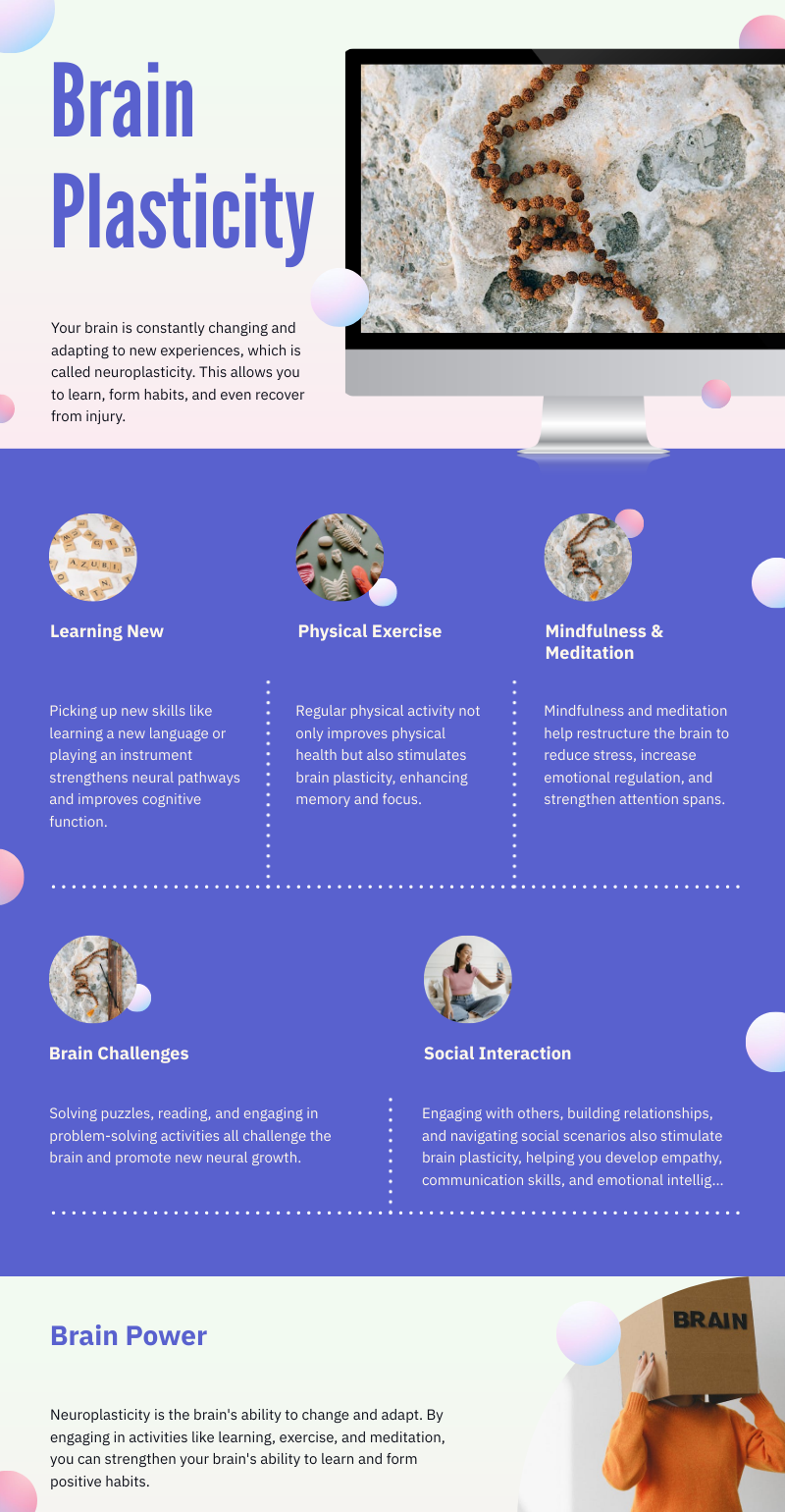
Neuroplasticity Exercises: The concept of neuroplasticity—our brain's ability to reorganize itself by forming new neural connections—further enhances the importance of a growth mindset. Adopting a growth mindset can influence neuroplasticity, reinforcing the new habits you’re trying to build. For example, if you're building a meditation habit, consistent effort can lead to rewiring your brain to make mindfulness a natural part of your routine.
Examples: For instance, someone with a growth mindset might approach the challenge of daily exercise with the understanding that while it may be difficult at first, consistent effort will lead to improvement. This contrasts with a fixed mindset, where an individual might give up after a few unsuccessful attempts, believing they simply aren’t "cut out" for regular exercise.
Tips/Best Practices:
Embrace Challenges: View setbacks as opportunities to learn rather than reasons to quit. This helps maintain momentum even when progress seems slow.
Celebrate Small Wins: Acknowledge incremental progress, which reinforces the habit-building process and keeps motivation high.
Reflect Regularly: Use journaling or digital tools to reflect on your growth journey, helping you stay motivated and adaptive.
Enhancements:
Pair your growth mindset with reflective practices like journaling or using apps to track your progress. These habits provide insights that help reinforce learning and growth, making the habit-formation process dynamic and adaptable.
Section 2: Integrating Technology into Habit Formation
Technology has become an indispensable ally in habit formation. From apps that remind you to drink water to wearable devices that monitor your physical activity, technology can automate and reinforce positive behaviors, making it easier to establish new habits. Integrating behavioral science with technology, including AI and machine learning, allows for a more personalized and adaptive habit-forming experience.
Behavioral Science and Nudge Theory:
Nudge Theory, a concept from behavioral science, is particularly relevant here. It involves subtle prompts that encourage desired behaviors without restricting freedom of choice. Many habit-tracking apps use nudge theory to prompt users at just the right moment, making it easier to stick to new habits. For example, an app might send a gentle reminder to take a break and stretch if you’ve been sitting for too long.
The Role of Data and Analytics:
The data collected by habit-tracking apps and wearables can be used to refine and improve habits over time. For example, wearable fitness trackers can provide insights into your sleep patterns, physical activity, and even stress levels. By analyzing this data, you can identify patterns, understand triggers behind behaviors, and make informed adjustments to your habits.
AI and Personalization:
AI-driven apps take habit formation to the next level by adapting to your progress and suggesting changes or improvements based on your behavior patterns. These apps can offer personalized feedback, adjusting reminders and goals based on how well you're doing. This dynamic and responsive approach makes habit formation more engaging and tailored to individual needs.
Application: For example, using a habit-tracking app like Habitica can gamify your habit-building process, turning tasks into challenges that earn you rewards. This not only makes the process more engaging but also taps into your intrinsic motivation to succeed. The use of AI in such apps can further personalize your experience, adjusting the difficulty of challenges or the frequency of reminders based on your progress.
Tips for Integrating Technology:
Start Simple: Begin with a few key habits and use apps to remind you and track your consistency. Starting simple helps prevent overwhelm and ensures you build momentum gradually.
Use Data Wisely: Wearable tech can provide valuable insights, but it’s important to focus on trends and patterns rather than daily fluctuations. This approach allows you to make informed decisions without becoming overly reliant on technology.
Stay Flexible: As you grow, your habits should evolve too. Choose technology that allows for adjustments and updates to your goals. Flexibility ensures that your habit formation remains relevant and effective over time.
Downloadable Resource:
Enhance your habit-building journey with our "Tech-Savvy Personal Development Guide," which includes a Tech-Enhanced Habit Tracker. This tracker uses AI to adapt strategies based on your progress, ensuring your habits evolve with you.
Section 3: The Intersection of Innovation and Habit Formation
Innovation in habit formation involves not just the use of technology but also a willingness to experiment with new methods and approaches. This might include combining traditional habit-building strategies with cutting-edge tools like AI-driven apps or behavioral analytics. The intersection of these elements creates a fertile ground for developing habits that are both effective and sustainable.
Behavioral Insights and Machine Learning:
Machine learning algorithms can predict and enhance habit formation by analyzing user behavior. These insights help you understand your habits better, offering predictive feedback on potential obstacles or opportunities for habit reinforcement. For example, if a machine learning algorithm notices that you're less likely to exercise in the evening, it might suggest switching your workout to the morning or adjusting your routine to better fit your energy patterns.
Case Studies/Examples:
Consider how digital platforms like Noom have revolutionized weight loss by integrating psychology, peer support, and data-driven insights. These innovations make the process of forming healthy habits more personalized and sustainable. Noom uses behavioral science to create a tailored experience that adapts as users progress, making it easier to maintain new habits over the long term.
Innovation in Habit Strategies:
Explore how innovative approaches like habit stacking (linking new habits to existing ones) and habit substitution (replacing bad habits with good ones) can be enhanced by technology. For instance, an app could help you pair a new exercise habit with an existing daily routine, like morning coffee, by sending reminders or integrating into your schedule. This approach simplifies habit formation by leveraging existing routines and increases the likelihood of success.
Example: Let’s say you want to develop a habit of practicing mindfulness every morning. By linking it with an established habit, such as drinking coffee, you can use technology to remind you to take a five-minute meditation break after your morning coffee, reinforcing the habit effortlessly.
Implementation Strategy:
To implement these innovative habit-formation strategies, start by assessing which technologies resonate with you and align with your goals. Then, integrate these tools into your daily routine, allowing them to guide and support your habit-building efforts. For example, you might begin by using a habit-tracking app to monitor your progress, then gradually introduce AI-driven tools to personalize and refine your habits.
Integration:
Combine the growth mindset with innovative technology by continuously iterating on your habits. Use feedback from your tech tools to refine your approach, ensuring that your habits remain aligned with your evolving goals and lifestyle. This iterative process not only reinforces your habits but also keeps the habit formation process engaging and responsive to your needs.
Section 4: Fostering Intrinsic Motivation for Long-Lasting Change
One of the most important factors in successful habit formation is intrinsic motivation—the inner drive to engage in behaviors because they are personally rewarding, rather than for external rewards. Research shows that habits built on intrinsic motivation are more likely to stick compared to those driven solely by extrinsic factors like rewards or recognition.
Intrinsic vs Extrinsic Motivation:
Intrinsic motivation comes from within, driven by personal satisfaction, enjoyment, or a sense of accomplishment. For example, someone might exercise regularly because they genuinely enjoy the process and the energy it gives them, rather than just to lose weight.
Extrinsic motivation, on the other hand, is driven by external factors like rewards or avoiding punishment. While effective in the short term, habits driven by extrinsic motivation may fade once the reward is removed.
Examples of Intrinsic Motivation:
A person who finds joy in reading might develop a daily reading habit not to gain recognition but because they enjoy learning and personal growth.
An individual practicing meditation may do so because it brings them peace and clarity, rather than to meet a goal or external expectation.
Focusing on intrinsic motivation when building habits ensures that your actions are driven by passion and personal satisfaction, leading to deeper engagement and longer-lasting results.
How to Foster Intrinsic Motivation:
Connect to Purpose: When building a habit, focus on why it matters to you personally. Ask yourself how this habit contributes to your overall sense of well-being or long-term goals.
Reflect on Progress: Use digital tools to reflect on how far you’ve come. Seeing progress in a way that resonates personally with your sense of achievement helps build intrinsic motivation.
Celebrate Growth: Instead of waiting for big milestones, celebrate the small wins and the personal fulfillment you feel from consistent effort. This reinforces intrinsic motivation, helping you stay connected to your goals even when progress is slow.
Neuroplasticity and Motivation:
By focusing on intrinsic motivation and pairing it with neuroplasticity exercises, you can literally rewire your brain to make positive habits feel more natural. Activities like regular meditation or learning a new skill not only foster growth but also strengthen the neural pathways associated with these habits, making them easier to maintain over time.
Inspirational Quotes to Empower Your Habit Formation Journey
As you embark on the journey of mastering habit formation, remember that lasting change requires patience, perseverance, and the right mindset. To help you stay motivated and focused, we’ve curated a collection of powerful quotes about growth, self-change, and motivation. These quotes will inspire you to embrace challenges, keep a positive attitude, and remain committed to your personal development.
1. On Growth Mindset
“Success is not final, failure is not fatal: It is the courage to continue that counts.” — Winston Churchill
This growth mindset quote reminds us that setbacks are part of the process. Whether you're working on building healthier habits or improving your productivity, the key to success lies in persistence and learning from failure.
2. On Change and Transformation
“Change is the only constant in life.” — Heraclitus
As you navigate the ups and downs of your habit formation journey, remember this quote about change. Embracing change is essential for personal growth and long-term success.
3. On Self-Growth and Development
“The only person you are destined to become is the person you decide to be.” — Ralph Waldo Emerson
This self-growth quote emphasizes the power of choice in shaping your destiny. Developing a growth mindset empowers you to take control of your future by consistently making decisions that align with your personal and professional goals.
4. On Perseverance in Habit Formation
“Great things are not done by impulse, but by a series of small things brought together.” — Vincent Van Gogh
Building habits is a step-by-step process. This quote about growth reminds us that even small, consistent efforts can lead to significant change over time.
5. On Embracing Challenges
“The greatest glory in living lies not in never falling, but in rising every time we fall.” — Nelson Mandela
Setbacks are inevitable when forming new habits, but this motivational quote for self encourages you to rise above challenges and keep pushing forward.
Conclusion
In this post, we’ve explored how a growth mindset, paired with the latest technological tools and the power of intrinsic motivation, can significantly enhance your habit formation process. By embracing challenges, leveraging technology, and remaining open to innovation, you can create lasting behavior change that propels you toward your personal growth goals.
Ready to take your habit-building to the next level? Download our "Habit Formation and Implementation Intention Tracker," complete with a Behavioral Analytics Dashboard that helps you monitor and optimize your habit-building process. This tool is designed to adapt to your progress, ensuring that your habits evolve with you.
Final Thoughts:
Remember, lasting change doesn’t happen overnight. It’s a journey of continuous improvement, guided by the belief that you can grow and supported by tools that keep you on track. Embrace this journey, and watch as your habits transform your life.
Community Engagement:
Discussion Prompt: What technological tools have you found most effective in forming new habits? Share your experiences in the comments below!
Call to Action: Don’t miss out on the latest in habit formation and personal growth! Subscribe to our newsletter and follow us on social media for more tips, tools, and resources.
Feedback Request: What did you think of this post? Do you have suggestions for future topics? We’d love to hear your feedback!
Downloadable Resources
Resource Description: The "Tech-Savvy Personal Development Guide" includes a Tech-Enhanced Habit Tracker that adapts strategies using AI, and the "Habit Formation and Implementation Intention Tracker" with its Behavioral Analytics Dashboard helps you monitor and optimize your habit-building process. Be sure to check out our free Personal Growth and Self-Improvement Starter Kit
This article is part of our comprehensive guide, How to Create a Personal Development Plan. If you haven't explored it yet, be sure to check it out—it’s filled with actionable insights and links to essential resources on personal growth.
Disclaimer:
The content provided on this blog is for informational purposes only. While every effort is made to ensure the information is accurate and up-to-date, it should not be considered as professional advice. Always consult with a qualified professional before making any significant decisions based on the content. The opinions expressed are those of the author and do not necessarily reflect the views of any affiliated organizations. Any reliance you place on the information provided is strictly at your own risk. The author and website are not responsible for any losses, damages, or liabilities that may result from the use of the information in this blog.