- Sep 26, 2024
Crafting a Purpose-Driven Mission: Aligning Personal Growth with Ethics and Meaning
- Kosta
- 0 comments
Introduction
In our pursuit of personal growth and success, it’s easy to get caught up in the goals that society values—career advancement, financial security, and social recognition. However, real fulfillment comes when personal growth aligns with your deepest values and ethical principles. A clearly defined mission statement guides your growth and ensures that your decisions reflect both your purpose and integrity.
Hook: Have you ever achieved personal growth milestones but felt like something was missing? Often, that missing piece is alignment with your true self and values.
Overview: In this post, we’ll explore how ethics shape your personal growth journey, how existential reflection brings depth to your mission statement, and how to create a purpose-driven mission that reflects both your values definition and moral compass.
Relevance: In a world driven by external success, it's crucial to ensure your journey is about more than reaching milestones; it’s about living a life aligned with your core values and ethical frameworks.
Transition: Let’s begin by examining the role ethics play in guiding personal growth and development.
Section 1: The Role of Ethics in Personal Growth
Definition/Explanation: Ethics in personal growth refers to the moral principles that guide your decisions and behaviors as you strive toward self-improvement. These principles help determine what is right and wrong, ensuring that your actions are in line with your core moral values.
Example: If integrity is one of your core values, you may prioritize transparency in all your endeavors—even if it means turning down lucrative opportunities that require you to compromise your ethical standards.
Tips/Best Practices:
Clarify Your Values: Begin by identifying what ethical principles matter most to you. Is it integrity, compassion, or nonmaleficence? Defining these clearly ensures your personal mission statement is grounded in your ethics.
Consistency: Consistently act in ways that reflect your core values definition, especially during challenging situations.
Reflection: Reflect regularly on your decisions and behaviors to ensure they stay aligned with your ethical beliefs.
Framework Introduction: To navigate ethical dilemmas effectively, consider adopting the Ethical Decision-Making Process framework:
Identify the Ethical Issue: Recognize when a decision has ethical implications.
Gather Information: Collect relevant details to understand the full context.
Evaluate Alternatives: Weigh each action against your ethical principles.
Make the Decision: Choose the action that best aligns with your core values.
Reflect: After the decision, assess its outcome and how it aligned with your values.
By incorporating this process, you can make decisions that not only drive personal growth but also reflect your ethics.
Section 2: Integrating Existential Questions into Your Mission Statement
Explanation: Existentialism encourages individuals to find meaning in a world that can sometimes seem arbitrary or uncertain. Integrating philosophical questions into your mission statement adds depth by helping you focus on what truly matters. This goes beyond simply setting goals; it’s about aligning your personal growth with your deepest purpose.
Framework Introduction: Consider using the Existential Reflection Framework to explore these deep, philosophical questions:
What is My Purpose?: What drives you beyond material success? Why do you do what you do?
Freedom and Responsibility: How do you exercise your freedom to make choices, and what responsibilities accompany those choices?
Search for Meaning: What gives your life meaning? Is it relationships, contributions to society, or personal achievements?
Facing the Absurd: How do you handle life’s uncertainties and absurdities without losing focus on your purpose?
Application:
Ask Deep Questions: Reflect on existential questions like “What is the purpose of my existence?” and “How can I create a meaningful impact?”
Align with a Higher Purpose: Ensure your mission statement connects with something larger than yourself, such as making a positive contribution to society or helping others.
Practical Tips for Reflection:
Journaling: Use journaling as a tool to explore existential questions and document how your values definition influences your personal growth.
Meditation: Engage in mindfulness or meditation practices that promote self-awareness and introspection.
Discussion Groups: Join philosophical discussion groups to gain new perspectives and deepen your understanding of meaning and purpose..
Section 3: Crafting a Purpose-Driven Mission Statement
Explanation: A purpose-driven mission statement is a concise declaration of your core values, purpose, and vision for life. It serves as a guide to help you navigate personal and professional decisions, keeping your growth aligned with what matters most to you.
Practical Guide to Crafting a Mission Statement:
Identify Core Values: Start by listing your top moral values, such as honesty, compassion, or environmental stewardship.
Define Your Purpose: Consider how you want to contribute to the world. What lasting impact do you want to make?
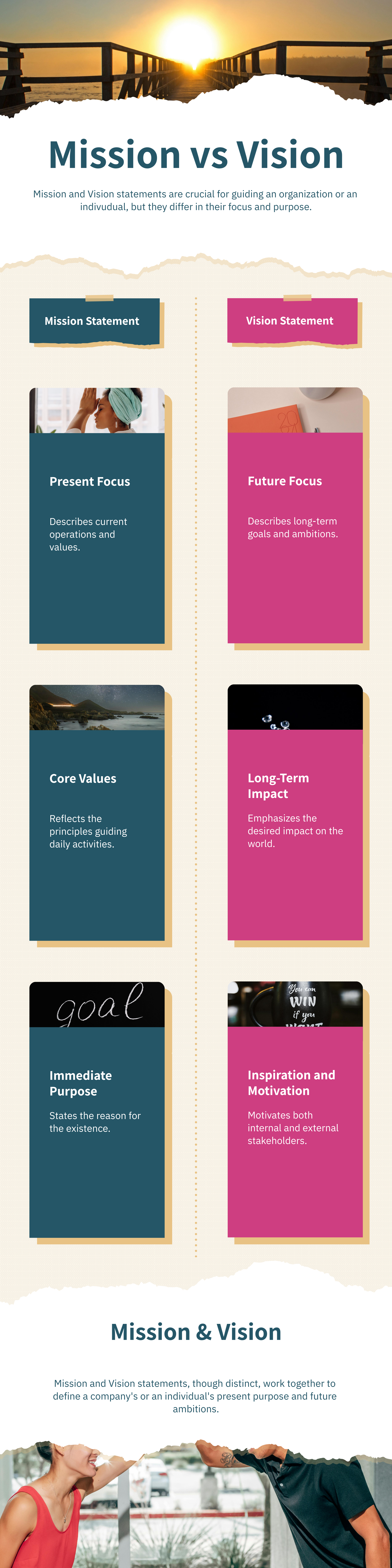
Articulate Your Vision: Think about the long-term outcome of your life. What does success look like to you? How do compassion and integrity influence your decisions?
Draft the Statement: Combine your values, purpose, and vision into a clear, concise statement that reflects your true self.
Refine and Align: Continuously revisit and refine your mission statement to ensure it aligns with your evolving goals and ethical frameworks.
Examples:
Someone with a passion for compassion might write a mission statement centered on healing and helping others, such as "I strive to foster well-being in my community by providing compassionate care and supporting ethical growth."
An individual focused on innovation might say, "My mission is to create sustainable, eco-friendly solutions that address global challenges while maintaining ethical responsibility."
Philosophical Decision-Making Matrix: This matrix helps ensure your decisions reflect various philosophical perspectives:
Utilitarianism: Does this choice maximize happiness for the greatest number of people?
Deontology: Does it adhere to ethical duties and rules?
Virtue Ethics: Does this decision reflect the kind of person I want to be?
CTA: Download the Philosophical Decision-Making Matrix to evaluate your daily decisions and ensure they align with your mission statement and values.
Section 4: Daily Practice of Ethical and Existential Alignment
Practical Application: Integrating ethics and existential insights into your daily routine is key to maintaining alignment with your mission statement.
Morning Reflection: Start each day by reflecting on your mission statement. Ask yourself how you can align your actions with your mission and ethical frameworks.
Ethical Decision-Making: Use the Philosophical Decision-Making Matrix when faced with important decisions. This will ensure you are staying true to your values while making impactful choices.
Evening Review: End each day by reviewing your actions. Did they align with your mission and values definition? What did you learn about yourself, and how will you adjust tomorrow?
Tips for Consistency:
Set Reminders: Use alarms or phone reminders to prompt reflection on your mission statement.
Keep a Journal: Write daily reflections on how you lived out your mission and values.
Accountability Partner: Find a friend or mentor to keep you accountable for living out your mission.
Addressing Common Challenges:
External Pressures: When society pushes you toward goals that conflict with your core values, regularly revisit your mission statement to stay grounded.
Conflicting Values: When your values conflict, use the Philosophical Decision-Making Matrix to make ethical decisions that reflect your priorities.
Existential Doubt: Don’t shy away from doubts or uncertainties; embrace them as part of the journey to find clarity and meaning.
CTA: Stay aligned with your mission by using our free Daily Ethical Alignment Checklist to review your decisions and stay on track with your personal growth journey.
Section 5: Overcoming Challenges in Crafting and Living by Your Mission Statement
Explanation: Crafting a purpose-driven mission statement is only the beginning. The real challenge comes in living by it consistently, especially when faced with ethical dilemmas, competing interests, or external pressures.
Common Challenges:
External Expectations: Society often prioritizes material success over ethical principles. These external pressures may pull you away from living according to your values.
Conflicting Values: It’s common to face situations where two of your values may conflict, such as a desire for compassion versus a need for justice. Navigating this can feel like a balancing act.
Internal Doubts: Personal doubts and existential questioning can cause you to second-guess your mission. It’s important to embrace these doubts as opportunities for reflection and growth.
Strategies for Overcoming These Challenges:
Regular Ethical Reflection: Use tools like the Ethical Decision-Making Process to navigate moral dilemmas and ensure you remain aligned with your mission.
Embrace Flexibility: Your mission is a living document. As you evolve, so will your understanding of what success means, and your mission should reflect these changes.
Seek Support: Reach out to mentors or a trusted accountability partner when you struggle to live up to your mission. They can offer guidance and provide perspective.
Practical Example: Imagine a healthcare professional whose mission is to provide compassionate care. They may face an ethical dilemma where adhering to protocol might cause unnecessary distress to a patient. Using the Ethical Decision-Making Process, they can evaluate how to balance their commitment to nonmaleficence (doing no harm) with the need to follow procedures.
CTA: Download the Mission-Reflection Guide to help you assess how well your daily decisions align with your mission and values, especially when faced with challenges.
Section 6: Aligning Personal and Professional Growth with Ethics
Explanation: One of the most common struggles is aligning your personal growth goals with your professional aspirations. For many people, there can be a disconnect between their career and personal mission, leading to frustration and a lack of fulfillment.
Integrating Ethics into Your Career:
Values-Driven Leadership: In your professional life, ensure that your leadership or work practices reflect your personal moral values. Whether you are a leader or team member, acting with integrity and compassion will strengthen your mission and impact.
Mission-Driven Career Choices: Align your career path with your personal mission statement. For example, if you value compassion, you may seek roles that allow you to make a positive difference in people’s lives, such as in healthcare or social work.
Ethical Decision-Making in Professional Settings: Professional decisions often carry ethical weight, from managing resources responsibly to ensuring fair treatment of employees. Use frameworks like nonmaleficence and beneficence to guide professional decision-making.
Examples:
A social worker might align their work with the NASW Code of Ethics, which emphasizes compassion, integrity, and justice.
A business leader committed to beneficence might focus on sustainable practices that positively impact both the environment and community.
Practical Tips:
Define Professional Values: List the core values that guide your work (e.g., integrity, innovation, transparency).
Create a Professional Mission Statement: Similar to your personal mission statement, your professional statement should reflect your goals and values in the workplace.
Ethical Leadership: Practice ethical leadership by consistently making decisions that reflect your values. Apply frameworks like beneficence to evaluate how your choices impact your team, clients, and stakeholders.
CTA: Learn how to integrate your personal mission into your career with our Professional Mission Alignment Guide, which provides practical tools for balancing ethical principles with professional goals.
Section 7: Practical Steps to Maintain Mission Alignment
Morning Reflection and Planning: Start each day by reflecting on your mission statement and values. Use this time to align your daily goals and priorities with your overall vision. Ask yourself, “What can I do today to live out my mission?”
Incorporating Mission into Daily Tasks:
Use Your Mission to Guide Decision-Making: When making decisions, big or small, use your mission statement as a compass. For example, if compassion is a core value, prioritize acts of kindness and empathy in your interactions.
Ethical Frameworks for Daily Life: Apply tools like the Philosophical Decision-Making Matrix to everyday situations, ensuring that you’re consistently making choices aligned with your values.
Evening Reflection and Review: At the end of the day, review how well you aligned with your mission. Did your actions reflect your values? What can you improve tomorrow?
Example: Someone with a mission statement centered on integrity and compassion might reflect on whether they handled difficult conversations in a way that was both honest and empathetic. This reflection helps refine future actions.
Tools for Consistency:
Daily Reminders: Set reminders throughout the day to pause and reflect on whether you’re acting according to your mission.
Journaling: Keep a mission-alignment journal where you record your reflections on how well you lived out your mission.
Accountability Partners: Find a trusted friend or mentor who can hold you accountable to your values and mission.
CTA: Download our Daily Reflection and Alignment Journal to track your progress in living by your mission and values.
Section 8: Long-Term Reflection and Evolution of Your Mission
Explanation: As you grow, your mission will evolve. Long-term reflection ensures your mission statement stays aligned with your life’s direction.
Reassessing Your Mission:
Scheduled Reflections: Set aside time every quarter to revisit your mission statement. Reflect on how your values, purpose, and goals may have shifted.
Life Transitions: Major life events, such as a career change, becoming a parent, or a significant personal milestone, often lead to shifts in values. Use these transitions as opportunities to reassess and refine your mission.
Adapting Without Losing Integrity: While your mission may evolve, it should remain true to your core values. Focus on personal growth quotes or ethical dilemmas you’ve faced as reflections of your evolving mission.
Example: A young professional might have a mission centered around career success and innovation. As they grow older and start a family, their mission may shift to include a greater focus on compassion and work-life balance.
Practical Steps:
Quarterly Review: Set up a quarterly mission review process. Use this time to evaluate whether your mission is still aligned with your current values and goals.
Mission Evolution: Allow your mission to evolve as you do, but ensure that it remains a reflection of your most important values.
Gather Feedback: Talk to trusted mentors or friends about your evolving mission. They can offer perspectives on whether your actions still reflect your core values.
CTA: Stay connected with your mission over time by downloading our Vision-Mission Comparison Grid, which helps you reassess and adapt your mission statement as your life changes.
Conclusion
Recap: In this post, we’ve explored how to craft a purpose-driven mission statement that aligns with your personal values, ethics, and existential purpose. We’ve discussed how to integrate philosophical questions and ethical frameworks into your daily life and how to live consistently by your mission.
Final Thoughts: Your mission statement is not just a static document—it’s a living guide that will evolve as you grow. By continuously aligning your actions with your ethical values and personal purpose, you’ll ensure that your journey toward personal growth is both meaningful and fulfilling.
CTA: Download the Philosophical and Stoic Guide to Personal Growth and Resilience to deepen your understanding of ethics in personal development. Use the Philosophical Decision-Making Matrix and Vision and Mission Statement Worksheet to align your daily actions with your long-term vision.
FAQs
Q: How do I balance long-term aspirations with short-term needs in my mission?
A: Use a mission-alignment strategy to set long-term objectives and break them into actionable, short-term steps. Ensure that your short-term goals align with your broader mission and ethical values.
Q: What if my personal mission conflicts with societal expectations?
A: It’s important to stay true to your core values. Use tools like the Ethical Decision-Making Process to make choices that reflect your beliefs while balancing external pressures.
Q: How often should I revisit my mission statement?
A: Regular reflection is key. Consider revisiting your mission every quarter, especially during significant life changes.
CTA: Subscribe to our newsletter for more tools and insights into aligning your personal growth with ethics and purpose.
This article is part of our comprehensive guide, How to Create a Personal Development Plan. If you haven't explored it yet, be sure to check it out—it’s filled with actionable insights and links to essential resources on personal growth.
Disclaimer:
The content provided on this blog is for informational purposes only. While every effort is made to ensure the information is accurate and up-to-date, it should not be considered as professional advice. Always consult with a qualified professional before making any significant decisions based on the content. The opinions expressed are those of the author and do not necessarily reflect the views of any affiliated organizations. Any reliance you place on the information provided is strictly at your own risk. The author and website are not responsible for any losses, damages, or liabilities that may result from the use of the information in this blog.